

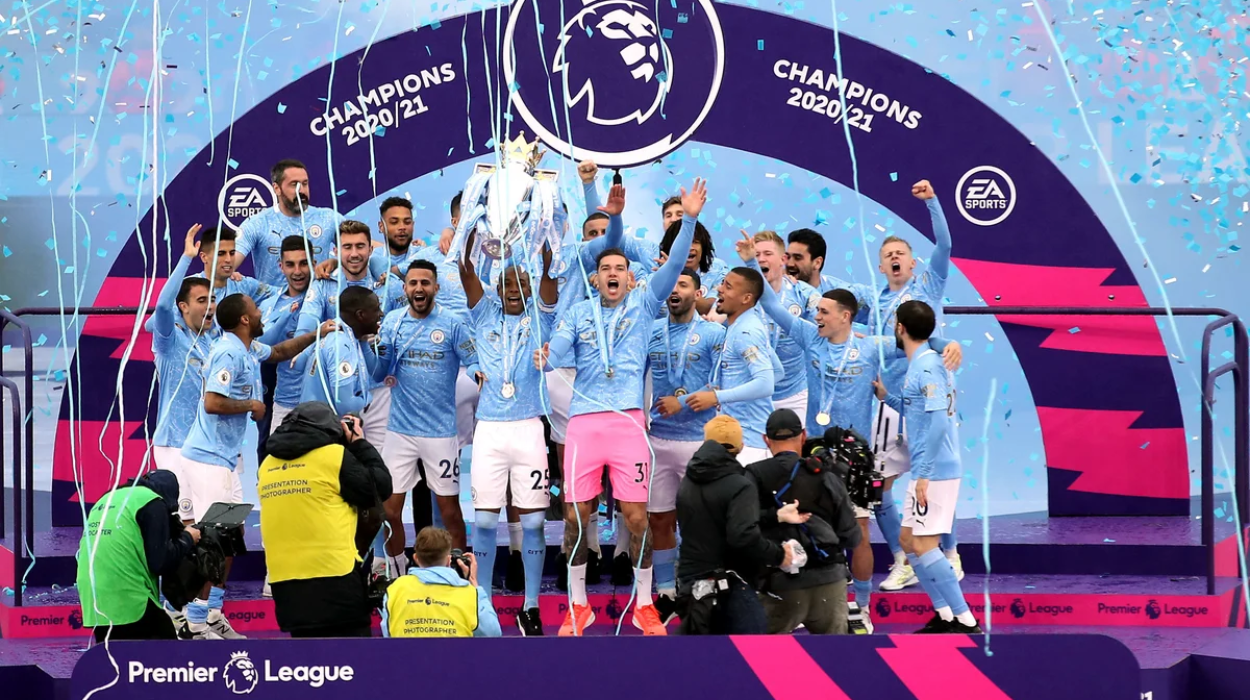
Manchester City’s rise to football supremacy has captivated fans worldwide, but beneath the sky-blue triumph lies a calculated strategy tied to Abu Dhabi’s ambitions. Owned by the City Football Group, largely backed by Abu Dhabi United Group, the club exemplifies sportswashing—using sports success to polish a nation’s image amid human rights critiques.
Understanding Sportswashing
Sportswashing involves nations leveraging high-profile sports investments to deflect attention from controversies like labor rights or political suppression. It gained prominence with events like the Qatar World Cup or Saudi Arabia’s LIV Golf push, where victories create positive narratives overriding negative press.
Abu Dhabi, through Manchester City since 2008, mirrors this by transforming a mid-table club into a global powerhouse. The strategy aligns with the UAE’s broader soft power goals, projecting modernity and tolerance while investments exceed billions.
Manchester City’s Meteoric Rise
From Takeover to Trophy Cabinet
The 2008 acquisition by Sheikh Mansour bin Zayed Al Nahyan marked City’s pivot. Within four years, they clinched the Premier League in dramatic fashion, followed by a Champions League triumph in 2023 under Pep Guardiola. This dominance—six Premier League titles since 2012—has elevated the club’s valuation to over $5 billion.
Such success stems from strategic spending: over £1.5 billion in transfers, world-class coaching, and infrastructure like the Etihad Campus. Yet, it directly bolsters Abu Dhabi’s brand, associating the emirate with excellence and innovation.
Financial Muscle and Controversy
City’s revenue soared to £712 million in 2024, fueled by sponsorships from Etihad Airways—an Abu Dhabi state carrier—and commercial deals. Critics, including a 115-charge Financial Fair Play investigation by the Premier League, allege inflated sponsorships to skirt spending rules. Regardless, the club’s on-pitch glory sustains the narrative of visionary ownership.
Abu Dhabi’s Strategic Vision
Soft Power Beyond Oil
Abu Dhabi seeks diversification from petroleum via tourism, culture, and sports. Manchester City fits this as a “global image project,” with the UAE hosting City’s pre-season tours and friendlies drawing millions in media exposure. Louvre Abu Dhabi and Formula 1 ties amplify this multifaceted approach.
The 2026 launch of Manchester City Yas Residences by Ohana Development on Yas Island exemplifies extension into real estate, branding luxury waterfront living with club ethos to attract investors and tourists.
Ties to UAE Leadership
Sheikh Mansour’s dual role as deputy prime minister and CFG owner intertwines state interests. CFG now owns 13 clubs worldwide, from New York City FC to Melbourne City, creating a network that exports Abu Dhabi’s influence. This portfolio amplifies sportswashing by embedding the emirate’s narrative across continents.
Mechanisms of Image Laundering
Media and Fan Engagement
The city’s social media reach 100 million followers, showcasing Abu Dhabi’s hospitality through tours and events. Partnerships like the Aldar real estate collaboration featuring Pep Guardiola elevate the emirate as a “home” destination. Guardiola’s praise for UAE innovation reinforces this subconsciously.
Economic Ripple Effects
Investments generate jobs and tourism; City matches in the region boost hotel occupancy. The CFG model inspires copycats, positioning Abu Dhabi as a sports business pioneer while human rights groups like Amnesty International decry migrant worker exploitation in UAE projects.
Criticisms and Counterarguments
Voices of Dissent
Amnesty and Human Rights Watch label City’s success as sportswashing, citing UAE’s suppression of dissent, women’s rights limitations, and Yemen conflict involvement. The 2022 Pegasus spyware scandal implicating UAE further fuels skepticism. Charges of 115 FFP breaches, including inaccurate revenue reporting, question ethical foundations.
Defenses from the Club
City counters by highlighting community initiatives like City in the Community, reaching 1.5 million globally, and compliance with UEFA rules. Supporters argue sport transcends politics, with Abu Dhabi’s investments professionalizing football akin to Qatar or Saudi efforts.
| Aspect | Abu Dhabi Benefits | Criticisms |
| Financial | £2bn+ CFG investments; revenue growth | Alleged FFP violations; hidden sponsorships |
| Global Reach | 13-club network; 100m+ fans | Sportswashing migrant labor issues |
| Cultural | Yas Residences branding; tourism spike | Ignores political repression |
| On-Pitch | 20+ trophies since 2008 | “Oil money” dismisses merit |
Global Precedents and Comparisons
Saudi Arabia’s Newcastle United takeover and PSG’s Qatari ownership parallel City’s path, all accused of whitewashing. Yet, City’s sustained excellence—averaging 85+ points per Premier League season—sets it apart, arguably achieving deeper cultural penetration.
Europe’s response includes UEFA’s Financial Sustainability rules, but enforcement lags. As Trump’s 2025 reelection shifts U.S. focus, Gulf states ramp investments, with Abu Dhabi leading via City’s sky-blue facade.
Future Implications
City eyes continued dominance, targeting a “quadruple” in 2026 amid Haaland’s prowess. Abu Dhabi’s pipeline includes more branded projects, potentially expanding CFG to 20 clubs. However, escalating FFP hearings could disrupt this.
For fans, the dilemma persists: celebrate brilliance or boycott the baggage? As sportswashing evolves, Manchester City remains its sky-blue poster child, intertwining football glory with geopolitical chess.
