

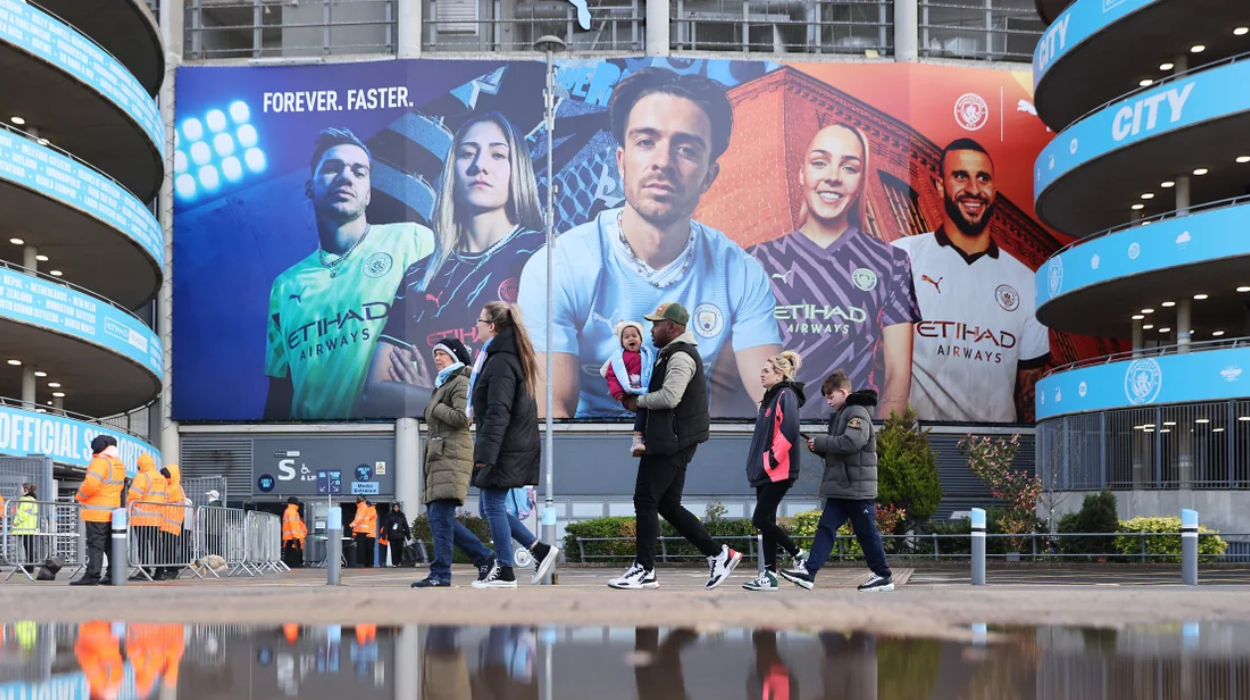
Sportswashing has become a global strategy for nations to polish their images through sports investments, and the United Arab Emirates (UAE) exemplifies this trend. From owning Manchester City Football Club to sponsoring Arsenal via Emirates Airlines, the UAE leverages high-profile sports ties while facing accusations of fueling conflicts abroad, notably in Sudan. This article uncovers how these glittering sports ventures mask serious geopolitical controversies.
Understanding Sportswashing
What Is Sportswashing?
Sportswashing involves using sports events, teams, or sponsorships to distract from human rights abuses or unethical foreign policies. Governments or state-linked entities invest billions to associate with glamour and success, aiming to reshape public perception. The term gained traction during the 2018 FIFA World Cup in Russia and Qatar’s preparations for 2022, highlighting how sports become tools for soft power.
UAE’s Rise in Global Sports
The UAE has poured resources into sports since the early 2000s, hosting Formula 1 races in Abu Dhabi, owning La Liga’s Girona FC, and backing cycling teams. Manchester City, under City Football Group (majority-owned by Abu Dhabi’s Sheikh Mansour), dominates the Premier League with Etihad Airways as its shirt sponsor. These moves project modernity and tolerance, contrasting with criticisms of labor practices and regional meddling.
UAE’s Controversial Role in Sudan
The Sudanese Civil War Context
Sudan’s conflict erupted in April 2023 between the Sudanese Armed Forces (SAF) and the Rapid Support Forces (RSF), led by Mohamed Hamdan Dagalo (Hemedti). The war has killed tens of thousands, displaced millions, and triggered famine risks in Darfur, echoing the 2003 genocide. Western Darfur saw ethnic massacres, with the RSF accused of crimes against humanity.
Allegations Against the UAE
Multiple reports accuse the UAE of arming the RSF via aircraft spotted in Chad and Uganda, supplying drones, and providing financial support in exchange for gold mining access. Sudan’s government filed a case at the International Court of Justice in 2025, alleging UAE complicity in genocide. UN experts and NGOs like Human Rights Watch have cited evidence of UAE planes delivering weapons, despite Dubai’s denials. UAE officials claim humanitarian aid only, but intercepted shipments and satellite imagery challenge this.
Sports Ties Linking UAE to Premier League
Manchester City and Etihad Airways
Manchester City, playing at the Etihad Stadium, benefits from Abu Dhabi United Group’s ownership since 2008. Etihad Airways, UAE state-owned, sponsors the stadium and kits, embedding UAE branding into every match. The club’s success—multiple Premier League titles and Champions League glory—amplifies UAE visibility to 3 billion global fans annually. Critics argue this setup launders the UAE’s image amid Sudan’s chaos.
Arsenal’s Emirates Sponsorship
Arsenal’s Emirates Stadium and shirt deal with Emirates Airlines (UAE flagship carrier) generate £200 million over 15 years. In October 2024, protesters from London For Sudan picketed outside during Arsenal-Liverpool, chanting against “sportswashing genocide.” They link Emirates’ profits to UAE’s alleged RSF backing, urging boycotts. Arsenal has not commented, prioritizing commercial gains.
Broader Sports Investments and Backlash
NBA and Other Ventures
The UAE sponsored the NBA’s inaugural In-Season Tournament in 2024, drawing ire as RSF atrocities peaked. Human Rights Watch warned of “sportswashing abuses,” while Refugees International tweeted against NBA-UAE ties. UAE-hosted events like the Abu Dhabi Grand Prix attract stars, but fan protests grow, mirroring Manchester City supporters questioning ownership.
Global Pattern of Criticism
Similar backlash hit UAE-backed cycling and tennis amid Yemen war involvement. A 2026 Sentry report urged dropping Emirates NBA sponsorship, citing Sudan gold-for-arms trades. Premier League clubs remain silent, fearing revenue loss—sports rights now exceed £10 billion yearly in England.
Impacts on Sudan and Global Sports Ethics
Sudan’s Humanitarian Toll
Over 12 million Sudanese are displaced, with 25 million facing hunger as of 2026. UAE ties allegedly prolonged the war, blocking peace by empowering the RSF. Activists demand sanctions on UAE firms trading Sudanese gold, estimated at $2 billion yearly.
Challenges for Premier League Integrity
The Premier League prides itself on financial fair play, yet state ownership raises ethical dilemmas. Fan groups like City Till I Die call for transparency on sponsorship origins. FIFA and UEFA rules lag, allowing Gulf funds despite scandals.
Fan and Activist Responses
Protests and Boycotts
London protests targeted Arsenal in 2024, with banners reading “No Sportswashing Genocide.” The Sudanese diaspora in the UK amplifies calls via social media, pressuring clubs. Manchester City faces chants at away games, blending anti-UAE sentiment with matchday passion.
Potential for Change
Some predict sponsor shifts if evidence mounts—Qatar faced scrutiny post-2022 World Cup. The Premier League could mandate human rights audits, but commercial pressures dominate.
Future Implications for UAE and Sports
UAE’s Defensive Strategy
Dubai invests in denial and PR, funding think tanks and lobbying Western capitals. Sports remain core, with plans for more NBA and F1 ties. Yet, the Sudan case at ICJ could escalate scrutiny.
Reforms Needed in Sports Governance
Leagues must vet sponsors rigorously, perhaps via independent ethics boards. Fans wield power through boycotts; ethical investing grows among younger supporters. Balancing revenue and morality defines sports’ next era.
This phenomenon reveals sports’ vulnerability to geopolitical games. As UAE glitz dazzles Etihad crowds, Sudan’s battlefields remind us of hidden costs. Awareness is rising—will fans and federations act? Premier League glamour cannot forever eclipse global suffering.
