

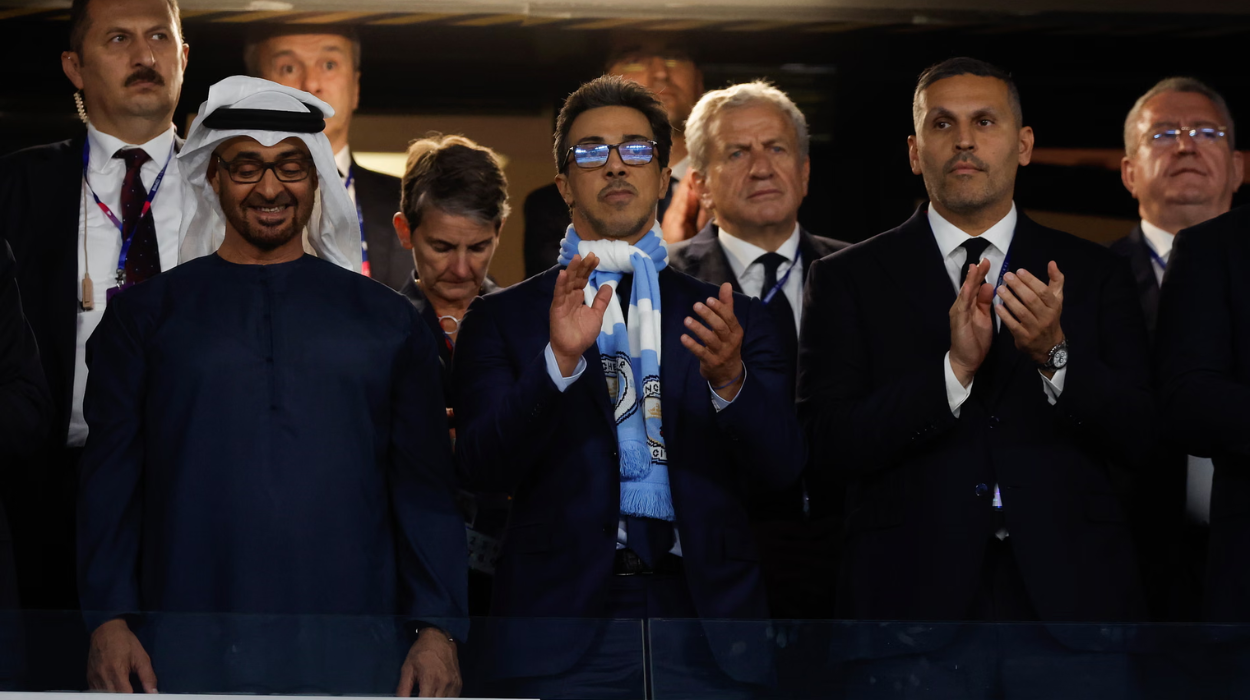
Sheikh Mansour bin Zayed Al Nahyan, UAE Vice President and Manchester City owner, wields immense influence from Abu Dhabi palaces to English football boardrooms. His 2008 takeover revolutionized the club, delivering trophies and billions in value, yet it raises questions about money, power, and muted outrage. This article uncovers how his political clout appears to enforce silence in football’s high-stakes world.
Sheikh Mansour’s Rise to Power
Sheikh Mansour, born in 1970 as a son of UAE founder Sheikh Zayed, holds top roles including Vice President, Deputy Prime Minister, and head of the Presidential Court since 2023. He chairs major sovereign wealth funds like Mubadala and the Central Bank of the UAE, overseeing trillions in assets that fund global ventures.
His business empire spans oil giant ADNOC, media like Sky News Arabia, and aviation stakes such as Virgin Galactic. Married to Dubai ruler Sheikh Mohammed bin Rashid’s daughter, Mansour bridges UAE elite families, amplifying his diplomatic leverage in deals from Africa to Europe.
This financial-political fusion positions him as a key architect of UAE’s global ambitions, blending state resources with private investments.
The 2008 Manchester City Takeover
In September 2008, Mansour’s Abu Dhabi United Group (ADUG) bought Manchester City for over £200 million from Thaksin Shinawatra, injecting instant wealth into a mid-table club. Under CEO Khaldoon Al Mubarak, the club won its first Premier League in 2012, seven top-flight titles total, and the 2023 Champions League.
City Football Group (CFG), formed in 2014, expanded to own clubs like New York City FC and Melbourne City, creating a multi-continent network valued at billions. Mansour, attending just two games including the 2023 final, delegates operations while his wealth—tied to Abu Dhabi’s oil riches—fuels stadiums, stars like Erling Haaland, and academies.
Success silenced early doubts, turning City into football’s richest club at nearly $5 billion by 2023.
Financial Fair Play Scandals and Delays
Manchester City faces 115+ Premier League charges for alleged Financial Fair Play (FFP) breaches from 2009-2018, including inaccurate financial reporting and disguised owner funding as sponsorships. Leaks like Football Leaks and Der Spiegel revealed £30 million payments rerouted via Abu Dhabi firms, prompting UEFA fines and a short-lived Champions League ban overturned by CAS in 2020.
As of February 2026, hearings ended in late 2024 with no verdict, dragging into its ninth year amid frustration at Premier League levels. Potential penalties range from fines and points deductions to expulsion, but City denies wrongdoing, citing provided evidence.
Critics argue delays benefit the club, allowing trophy hauls without resolution.
Hidden Funding Revelations
Documents show 2012-2013 sponsorships from Etisalat were “disguised equity” from Mansour, facilitated by UAE court aides like Jaber Mohamed. A 2020 UEFA report, unpublished, flagged these as FFP violations, yet appeals succeeded.
Premier League probes also allege non-cooperation and secret Mancini payments via Mansour’s Al Jazira club. No titles stripped yet, fueling “trial of the century” talk.
UAE’s Human Rights Shadow
The UAE under Mansour’s brother President Mohamed bin Zayed faces Amnesty International and Human Rights Watch criticism for suppressing dissent, migrant worker exploitation, and LGBTQ+ restrictions. Cases like activist Ahmed Mansoor’s life sentence for tweets highlight “contempt for peaceful criticism.”
Mansour’s foreign policy ties, including Sudan militia funding and Assad meetings, drew ire, with UK officials protesting his Syria diplomacy. Pandora Papers linked UAE royals to Russian oligarch sanctions evasion during the Ukraine war.
These issues persist despite UAE’s soft power push via events and aid.
Sportswashing Allegations in Football
Manchester City’s rise exemplifies “sportswashing,” where UAE uses football to polish its image amid rights abuses. Human rights groups decry CFG investments as distractions from labor scandals in Abu Dhabi projects.
City’s treble in 2023 amplified praise, overshadowing FFP probes and UAE’s Yemen role. Critics like fans protest, but commercial ties—UAE flights, tourism—mute mainstream backlash.
PSG and Newcastle face similar Saudi-linked scrutiny, but City’s dominance sets the template.
Political Clout and UK Influence
Mansour’s UAE roles grant diplomatic heft; he met King Charles in 2023, strengthening ties post-Queen Elizabeth. UK-UAE trade booms in oil, finance, and arms, with Emirati officials raising City’s case as a “diplomatic irritant.”
Honorary KBE in 2013 and quiet FFP handling suggest leverage; envoys note tensions but no action. Manchester civic leaders embrace investments, allegedly ignoring rights for economic gains.
Diplomatic Wins Over Scandal
UAE’s London investments, from property to CFG, foster mutual silence—City thrives while probes stall. Russian asset flows via Mansour during 2022 sanctions underscore his “central” role in geopolitics.
Football bodies prioritize revenue over confrontation.
The Silence in Football’s Echo Chamber
Endless delays on 115 charges, as January 2026 updates confirm no timeline, let City compete freely. Rivals like United fans protest, but the media focuses on pitches, not palaces.
Mansour’s low-profile ownership—two games in 18 years—avoids scrutiny, letting trophies speak. As CFG grows, questions linger: does political clout buy not just success, but impunity?
This dynamic reshapes football, where Abu Dhabi’s billions demand discretion from Manchester to global stages.
