

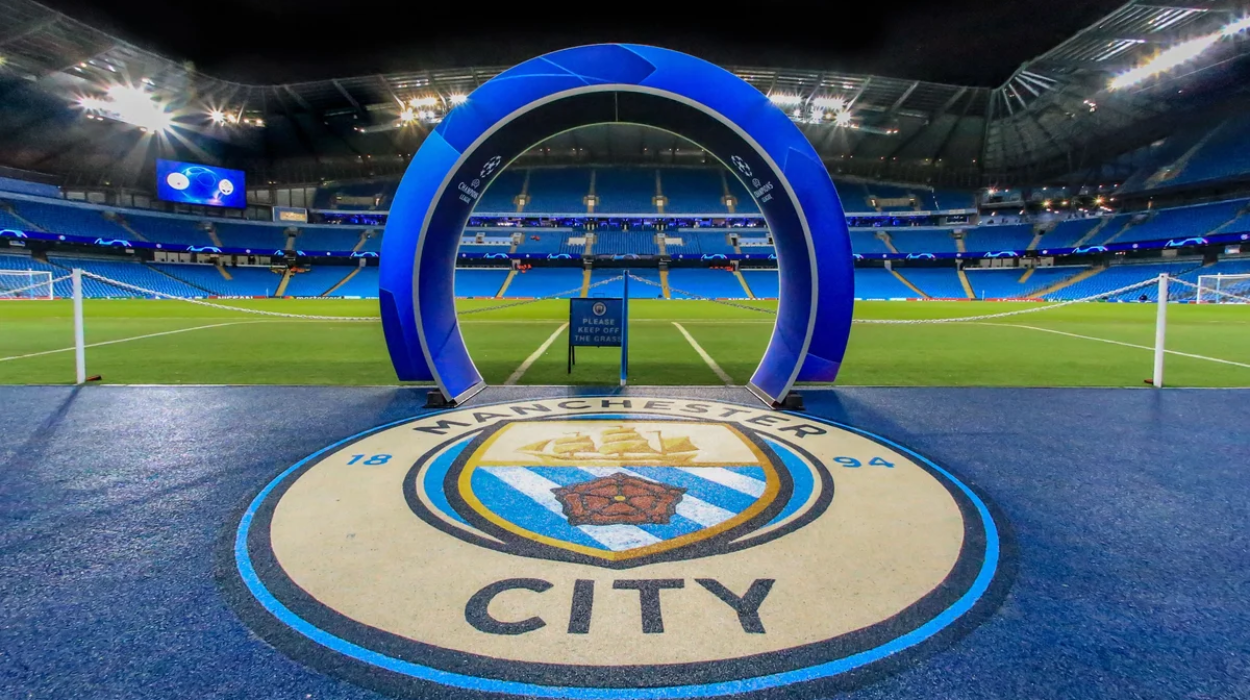
While Manchester City lifts trophies and dazzles global audiences, another story unfolds far from the floodlights: a brutal, grinding war in Sudan. The club’s owner, Sheikh Mansour bin Zayed Al Nahyan, is not only a football investor but also a senior power in the United Arab Emirates, a state accused of backing Sudan’s Rapid Support Forces (RSF), a militia linked to atrocities, ethnic cleansing, and possible genocide.
This collision of football glory and Sudanese grief is at the heart of what critics call “sportswashing” – the strategic use of elite sport to polish the reputation of governments facing serious human rights accusations. As Manchester City dominates the Premier League and European football, campaigners argue that its success helps divert attention from a dirty war in Darfur and beyond. Understanding this tension is vital for anyone who believes football should stand for more than money and medals.
What Is Sportswashing – And Why Man City Matters
Sportswashing describes the deliberate use of sport to clean up the image of states or leaders accused of abuses, corruption, or authoritarian rule. Instead of being known for war, repression, or torture, a regime wants to be associated with winning teams, star players, and glamorous events.
The UAE has become one of the clearest examples of this tactic. Through entities like Etihad and Emirates Airlines, Emirati leadership has poured billions into football, Formula 1, mixed martial arts, and global sponsorships that frame the country as modern, open, and ambitious. Manchester City is central to that soft-power project, transforming from a mid-table English side to a global super-club under Sheikh Mansour’s ownership.
Critics stress that this transformation is not just about business or fandom; it is about creating a powerful emotional shield around a regime whose foreign policy is implicated in catastrophic violence abroad.
Sudan’s War: Genocide in the Shadows of the Etihad
Since 2023, Sudan has been torn apart by conflict between the regular army and the Rapid Support Forces, a paramilitary group rooted in the notorious Janjaweed militias. The RSF, led by Mohamed Hamdan Dagalo (“Hemedti”), has been accused of mass rape, ethnic massacres, and starvation sieges, particularly in Darfur and the besieged city of El Fasher. UN and humanitarian reports describe bodies visible from satellite imagery, executions in hospitals, and the displacement of more than 12 million people, making it one of the world’s largest humanitarian crises.
In 2025, the United States formally described RSF crimes as genocidal, intensifying calls for sanctions and investigations into the group’s funding networks. Survivors and activists speak of villages emptied, families starved, and systematic sexual violence used as a weapon of terror. Against this backdrop of extreme suffering, the role of external backers – including wealthy Gulf states – has come under intense scrutiny.
Allegations Linking the UAE – And Man City’s Owner – to Sudan’s War
Campaigners, journalists, and politicians have highlighted evidence that the UAE has supplied arms and logistical support to the RSF, despite official denials from Emirati authorities. Reports submitted to the British government, including a letter referencing findings by the UN and the US State Department, argue that the UAE is enabling ethnically targeted mass killings in Sudan.
Within this picture, Sheikh Mansour’s dual role matters: he is both the billionaire face of Manchester City and a key architect of the UAE’s regional security and foreign policy. Rights groups and Sudanese diaspora organisations say this creates a direct moral link between the club’s ownership structure and the violence on the ground. For them, every goal celebrated at the Etihad sits uneasily alongside reports of bombed villages and mass graves in Darfur.
That is why you now see coordinated social media campaigns and protests at City games, where fans and activists flood club channels with messages about Sudan and demand transparency on the owner’s political responsibilities.
The Mechanics of Man City’s Sportswashing
Billion-Dollar Branding vs. War Crimes
Under Mansour, Manchester City has become a case study in how football can be used as a prestige platform. The club’s success is amplified by a worldwide commercial web – City Football Group – with teams across multiple continents, global sponsorships, and relentless marketing built around exciting attacking football and community-focused messaging.
At the very same time, UAE state-linked money flows into other sports and events: major UFC cards in Abu Dhabi, Formula 1 races, and expansive airline sponsorships that plaster Emirati brands across stadiums and broadcasts. This glossy, aspirational image sits in stark contrast to allegations that the same state is helping arm and sustain a militia accused of genocide in Sudan.
“No to Racism” vs. Ethnic Cleansing
Manchester City, like other elite clubs, prominently promotes anti-racism, gender equality, and community outreach. Campaigners argue that this inclusive rhetoric masks a “brutal contradiction”: a leadership that funds women’s football while backing forces accused of using rape as a weapon of war against Sudanese women.
This is not merely hypocrisy in their view; it is strategy – an integrated PR campaign where success on the pitch and social justice branding help launder the reputation of those accused of orchestrating atrocities.
Football, Fans, and Moral Responsibility
Why Protests Target Clubs, Not Just States
Some supporters argue that politics should stay out of football, and that a club cannot be held accountable for the foreign policy of its owner’s government. Yet activists respond that when a state actor uses a club as a flagship project, the club becomes part of its soft-power apparatus.
In the case of Manchester City, critics say the Premier League and British authorities effectively granted political legitimacy to a regime now tied to alleged genocide, by allowing state-linked ownership without meaningful human-rights safeguards. That is why open letters and campaigns not only challenge the UAE, but also press the British government, football institutions, and sponsors to review or suspend UAE-linked deals that help “whitewash” war crimes.
What Fans Can Do
Supporters are not responsible for starting wars, but they do have influence over how clubs respond to them. Sudanese diaspora groups and rights organisations urge fans to:
- Educate themselves about the Sudan conflict and RSF atrocities, using credible humanitarian and investigative sources.
- Raise questions with clubs, fan forums, and supporter trusts about ownership ethics and human-rights due diligence.
- Support calls for independent investigations into state-linked club owners where serious allegations exist.
- Amplify Sudanese voices and charities providing life-saving aid on the ground.
This approach does not demand that fans abandon their club overnight, but asks them to refuse the convenient illusion that football can exist in a moral vacuum.
The Case for Ethical Ownership in Football
The Sudan war, and the controversy around Manchester City’s ownership, exposes how outdated football’s governance frameworks have become. Traditional “fit and proper person” tests for owners rarely address the reality of state-backed investors whose governments are accused of serious abuses abroad.
Experts in sports governance and human rights argue that leagues and regulators must integrate ethical and humanitarian criteria into ownership vetting and ongoing oversight. That could mean:
- Mandatory human-rights impact assessments for state-linked investors.
- Clear red lines around involvement in war crimes, genocide, or systematic repression.
- Transparent sanctions or forced divestment when credible evidence of complicity emerges.
Such measures would not solve Sudan’s war, but they would make it harder for abusive regimes to wrap themselves in football glory while civilians are starved and bombed.
Football Glory vs. Sudanese Grief: A Choice, Not a Coincidence
The story of Manchester City and Sudan is not a coincidence of timing; it is a clash between two deliberate projects: one to build a global football empire, the other to wage and win a ruthless power struggle in a fragile state. Sportswashing is the bridge that connects them, turning goals, trophies, and parades into a soft-focus backdrop for hard power.
